
Family life can be rewarding, but it can also become stressful when everyone is busy with work, school, household responsibilities, and personal commitments. Small habits can make a noticeable difference in how a family communicates, organizes daily life, and spends time together.
The idea behind whatutalkingboutfamily the life hacks is simple: useful family habits do not always need to be complicated. Sometimes, listening carefully, creating predictable routines, or showing appreciation can help create a calmer and more connected home.
Why Family Life Hacks Matter
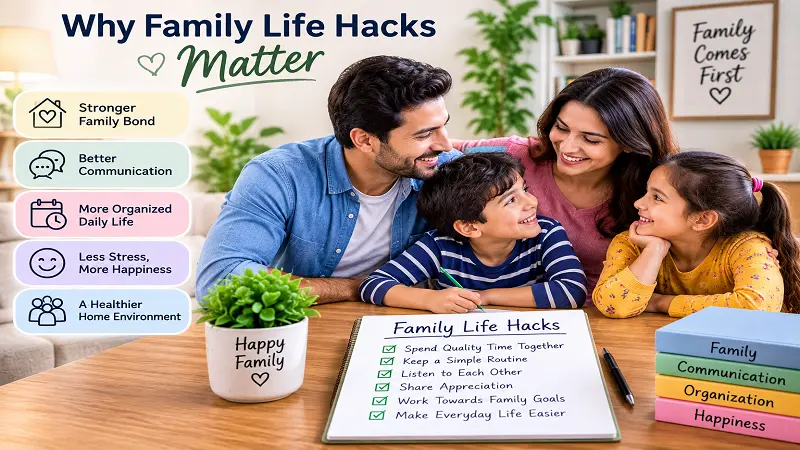
A family does not need a perfect routine to have a healthy home environment. What matters more is finding practical habits that work for the people living together.okay
Life hacks can help families reduce everyday confusion, improve communication, and make responsibilities easier to manage. They can also encourage family members to spend more intentional time together instead of simply sharing the same space.
The best approach is to start small. One useful habit practiced consistently can be more effective than trying to change everything at once.
Family Communication & Connection
Good communication is one of the strongest foundations of family relationships. Everyone wants to feel heard and respected, but busy schedules can make meaningful conversations difficult.
Practice Active Listening
Active listening means giving someone your full attention when they are talking. Instead of immediately interrupting, checking a phone, or preparing a response, focus on what the person is actually saying.
Simple actions can make a difference. Maintain eye contact when appropriate, ask a follow-up question, and avoid turning every conversation into advice or criticism.
When family members feel that their words matter, they may become more comfortable discussing everyday concerns and difficult situations.
Make Check-Ins More Natural
Asking “How was your day?” is a common way to start a conversation, but repeating the same question every day can sometimes lead to short answers such as “fine” or “good.”
A more natural approach is to ask something specific. For example, you might ask what was the most interesting part of the day, whether anything surprising happened, or what they enjoyed most.
Older children and teenagers may also need some quiet time after school. Giving them a little space before starting a conversation can make later communication more comfortable.
Share Appreciation Regularly
Appreciation does not have to involve big gestures. A simple “thank you,” recognition for helping around the house, or acknowledgment of someone’s effort can create a more positive atmosphere.
Families can make appreciation part of everyday life. Notice small things, such as someone preparing a meal, helping a sibling, completing a responsibility, or making time for another family member.
Regular appreciation can help prevent family members from feeling that their efforts go unnoticed.
Organization & Routines
Communication is only one part of creating a smoother family life. Organization can also reduce unnecessary stress.
Create a Simple Daily Schedule
A predictable routine can help everyone understand what needs to happen during the day. Fixed or flexible times for meals, studying, household tasks, relaxation, and bedtime can make daily responsibilities easier to manage.
The schedule does not need to be strict. Families can adjust it when circumstances change.
For younger children, a visible routine can be particularly useful. A simple calendar or household planner can show important activities and responsibilities without requiring repeated reminders.
Set Goals Together
Family goals can bring people together around something positive. These goals might include saving for a trip, planning a weekend activity, organizing the home, or preparing for a special event.
When everyone has a role, the goal becomes a shared project rather than one person’s responsibility.
For example, one family member might track savings, another might research destinations, while someone else helps plan activities. The specific task matters less than working together toward a common outcome.
Make Household Responsibilities Easier
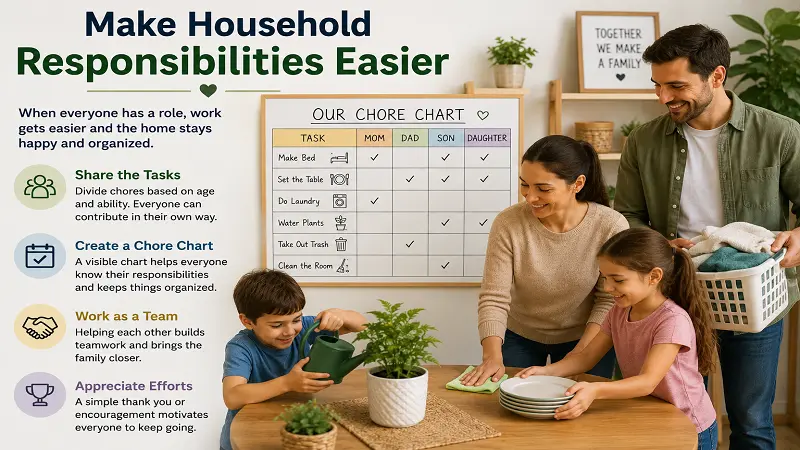
Household chores can become a source of frustration when responsibilities are unclear. A simple division of tasks can make expectations easier to understand.
Instead of assigning every task to one person, families can share age-appropriate responsibilities. Children can help with simple tasks, while older family members can take on more complex duties.
A rotating chore system can also prevent the same person from always being responsible for an unpopular task.
The goal is not to make the home perfectly organized. It is to create a system that feels fair and manageable.
Protect Family Time
Modern family schedules can become crowded quickly. Work, school, entertainment, social activities, and digital devices can all compete for attention.
Setting aside regular family time can help everyone reconnect. It does not need to be an elaborate activity. A shared meal, short walk, board game, movie night, or conversation can be enough.
The important part is being present rather than worrying about making the activity impressive.
Even a small amount of consistent quality time can become a meaningful family tradition.
Use Technology With Balance
Technology can make family life easier, but excessive screen time can sometimes interfere with communication.
Families can create simple expectations around devices. For example, phones might be put away during shared meals or important conversations.
At the same time, technology does not have to be treated as the enemy. Families can use it together for planning, learning, finding recipes, organizing trips, or staying connected with relatives.
The key is finding a balance that works for the household.
Small Habits Can Create Big Changes
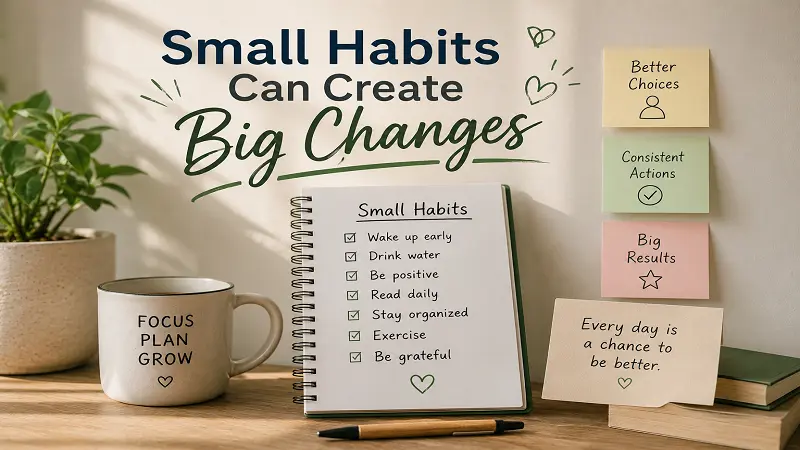
One of the most useful lessons from whatutalkingboutfamily the life hacks approach is that family improvement does not have to begin with major changes.
Start with one or two habits. Listen more carefully during conversations. Create a simple daily schedule. Say thank you more often. Plan one shared activity each week.
After those habits become comfortable, families can introduce additional changes.
Trying to transform everything at once can feel overwhelming. Small improvements are easier to maintain and can gradually become part of normal family life.
Conclusion
A happier family environment is usually built through everyday actions rather than complicated solutions. Better listening can strengthen communication, regular appreciation can encourage positivity, and simple routines can make household responsibilities easier to manage.
The most practical whatutalkingboutfamily the life hacks are the ones that fit naturally into real family life. Every household is different, so there is no single routine that works for everyone.
Start small, communicate openly, share responsibilities, and make time for one another. Over time, these simple habits can help create a home that feels more organized, supportive, and connected.
FAQs
What are some useful family life hacks?
Useful family life hacks include active listening, creating daily routines, sharing appreciation, dividing household responsibilities, setting family goals, and protecting regular family time.
How can families improve communication?
Families can improve communication by listening without interrupting, asking specific questions, respecting personal space, and creating opportunities for relaxed conversations.
Why are family routines helpful?
Simple routines can make daily responsibilities more predictable. They can help family members understand when it is time for meals, schoolwork, chores, relaxation, and other activities.
How can families spend more quality time together?
Quality time can be as simple as eating together, taking a walk, playing a game, watching a movie, or having an uninterrupted conversation. Consistency is often more important than the activity itself.
What is the best way to start improving family life?
Start with one manageable change. Choose a habit such as having a regular family meal, practicing active listening, or creating a simple household schedule, then build from there. See more