
Family life can be wonderful, but it can also become surprisingly hectic. Between work, school, meals, cleaning, appointments, errands, and trying to spend meaningful time together, even simple days can feel like a lot.
That is where practical hacks whatutalkingboutfamily ideas can make a difference. The goal is not to create a perfectly organized household where everything goes according to plan. Real families do not work that way. Instead, useful hacks are about making small changes that save time, reduce unnecessary stress, and help everyone work together.
The best solutions are usually the ones that are simple enough to keep using. Here are some realistic ideas that can make everyday family routines easier.
Start the Day the Night Before

A rushed morning often begins with problems from the previous evening.
Someone cannot find their shoes. A school bag has not been packed. Nobody knows what is available for breakfast. Then everyone is suddenly running late.
A few minutes of preparation before bed can prevent much of this.
Set out clothes, prepare school or work bags, check the next day’s schedule, and put important items near the door. If lunches are needed, prepare as much as possible in advance.
This does not mean spending an hour organizing the house every night. Even 10 or 15 minutes can make the following morning feel noticeably calmer.
Give Important Things a Permanent Home
How much time does your family spend looking for keys, chargers, school papers, shoes, or water bottles?
A simple organization rule can help: frequently used items should have a regular place.
Create a small area near the entrance for keys and bags. Keep school supplies together. Store chargers in one accessible location instead of allowing them to disappear into different rooms.
Once everyone knows where something belongs, finding it becomes much easier.
The trick is to choose locations that are actually convenient. An organization system that looks beautiful but requires too much effort will probably not last.
Use a Shared Family Calendar
Family schedules can become confusing when everyone has different activities.
A shared calendar gives the household one place to check upcoming commitments. Add school events, appointments, birthdays, sports activities, work commitments, trips, and other important dates.
You can use a digital calendar or a simple calendar hanging somewhere everyone can see it.
The important part is consistency. If one person’s schedule is written down while another person’s plans remain in their head, confusion will eventually return.
Make Chores a Team Activity
Household work becomes exhausting when one person feels responsible for everything.
Instead of treating chores as something only adults handle, give family members age-appropriate responsibilities. Younger children might put away toys or help set the table, while older children can take responsibility for laundry, dishes, or keeping their own space organized.
The goal is not perfection.
A child may not fold clothes exactly the way you would. Someone may load the dishwasher differently. That is okay if the task gets done and the person is learning responsibility.
Sharing household work also teaches an important lesson: a home belongs to everyone, so maintaining it is a shared effort.
Create a Simple Meal Routine
Deciding what to cook every evening can become an unnecessary source of stress.
A basic weekly meal plan can make things easier. You do not need to plan every meal in detail. Start by choosing a few dependable meals that your family already enjoys.
Keep a small list of quick options for particularly busy evenings. Leftovers can also become part of the plan instead of being treated as something that must be avoided.
Another useful idea is to prepare ingredients ahead of time. Washing vegetables, portioning snacks, or preparing certain ingredients earlier can shorten cooking time later.
The objective is convenience, not a picture-perfect meal schedule.
Build Short Family Check-Ins

Family communication does not always require a formal meeting.
Sometimes a five-minute conversation is enough.
Ask simple questions such as:
- How was your day?
- Is anything bothering you?
- What do you need help with tomorrow?
- Is there anything happening this week that we should know about?
These conversations give family members an opportunity to speak before small problems become bigger ones.
It is also important to listen without immediately trying to solve everything. Sometimes people simply want to feel heard.
Reduce Phone Distractions
Phones and other devices can quietly take over family time.
Rather than trying to eliminate technology completely, establish a few simple boundaries. For example, the family might agree to keep phones away during dinner or put devices aside for a short period before bedtime.
The rule should apply fairly. Children are more likely to accept technology boundaries when adults follow them too.
A short device-free period can create room for conversation, games, reading, or simply being together without constant notifications.
Keep a Small “Emergency” Supply
Every household has those moments when something suddenly runs out.
Keeping a small backup supply of frequently needed household items can save an unnecessary trip to the store.
Depending on your family’s needs, this might include basic pantry items, cleaning supplies, school stationery, batteries, or other everyday essentials.
Do not turn this into excessive stockpiling. The idea is simply to have a few useful backups so a small shortage does not become a major inconvenience.
Make Cleaning Easier With Small Daily Habits
Cleaning the entire house at once can feel overwhelming.
Instead, try dealing with small tasks as they appear.
Put things away after using them. Wipe kitchen surfaces after preparing food. Encourage everyone to return personal belongings to their proper places. Spend a few minutes tidying common areas before bedtime.
These habits may seem insignificant individually, but they prevent clutter from becoming a much larger weekend project.
One of the most useful hacks whatutalkingboutfamily approaches is therefore not a complicated trick at all. It is simply doing small tasks consistently instead of allowing them to pile up.
Protect Time for Fun
A family schedule can become so focused on responsibilities that everyone forgets to enjoy being together.
Family time does not need to involve an expensive outing.
Play a board game, take a walk, cook something together, watch a movie, work on a small project, or simply sit and talk.
The activity matters less than the attention people give one another.
It is also helpful to avoid making every family activity educational or productive. Sometimes the best memories come from doing something completely ordinary together.
Do Not Try Every Hack at Once
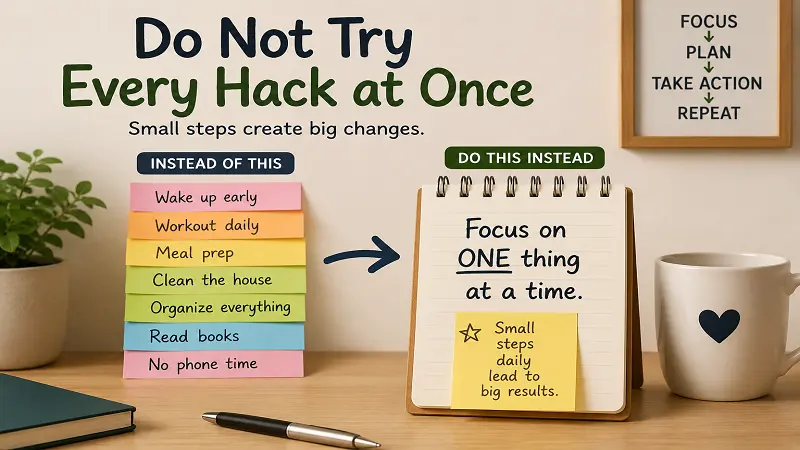
This may be the most important tip of all.
When people read a long list of organization ideas, it is tempting to change everything immediately. That usually creates another source of pressure.
Instead, choose one problem.
If mornings are difficult, start with evening preparation. If clutter is the issue, create permanent homes for commonly misplaced items. If schedules are confusing, introduce a shared calendar.
Give the new habit some time to become normal before adding another one.
A useful system should make life easier, not become another responsibility that everyone has to manage.
Final Thoughts
The best hacks whatutalkingboutfamily ideas are not about creating a flawless family routine. They are about finding practical ways to make ordinary days a little easier.
Preparing for tomorrow, sharing chores, organizing important belongings, planning simple meals, limiting distractions, and making time for conversation can all help reduce unnecessary friction at home.
Every family is different, so there is no single routine that will work for everyone. Try one idea, see how your household responds, and adjust it when necessary.
Small improvements can eventually become habits. And sometimes, a small habit is all it takes to turn a stressful part of the day into something much more manageable. See more
FAQs
What are hacks whatutalkingboutfamily?
The phrase refers to practical family and household ideas designed to simplify everyday routines. These can include organization, time management, communication, cleaning, meal planning, and family activities.
How can families save time in the morning?
Preparing clothes, bags, lunches, and other essentials the night before can reduce last-minute decisions and make mornings more organized.
What is an easy way to organize family schedules?
A shared calendar is a simple option. Add school activities, appointments, work commitments, birthdays, and other important events so everyone can check the same schedule.
How can children help with household chores?
Give children responsibilities that are appropriate for their age. Simple tasks such as putting away toys, setting the table, organizing belongings, or helping with laundry can gradually build independence.
Do family life hacks have to be complicated?
No. The most useful ideas are often very simple. A permanent place for keys, a short evening preparation routine, or a few minutes of family conversation can make a meaningful difference.