
Family life can be wonderful, but it is rarely perfect. Between work, school, household responsibilities, personal time, and unexpected problems, even a close family can sometimes feel overwhelmed. The good news is that small changes can make everyday life easier.
The idea behind tricks whatutalkingboutfamily is simple: useful family tips do not have to be complicated. Sometimes, a better routine, clearer communication, or a small organizational change can make a noticeable difference at home.
Here are practical tricks that families can use to create a calmer, more connected, and more enjoyable home environment.
Make Communication a Daily Habit

Good communication is one of the strongest foundations of a healthy family. Yet busy schedules often leave little time for meaningful conversations.
A simple solution is to create a small daily moment when everyone can talk. It could be during dinner, after school, or before bedtime. The goal is not to have a serious family meeting every day. Even a few minutes of genuine conversation can help.
Ask simple questions such as:
- What was the best part of your day?
- Did anything bother you today?
- Is there something you need help with?
- What are you looking forward to tomorrow?
These questions give family members an opportunity to share without feeling pressured.
Create Routines That Everyone Understands
A household becomes easier to manage when everyone knows what needs to happen and when.
Morning routines are particularly useful. Instead of rushing around looking for clothes, school supplies, or keys, prepare important things the night before.
Children can help by choosing their clothes, preparing school bags, and placing shoes near the door. Adults can prepare lunches or organize anything needed for the following morning.
The same idea works for evenings. A predictable bedtime routine can help children wind down and gives parents a little more structure at the end of a busy day.
The best routine is not necessarily the strictest one. It is the routine that your family can realistically follow.
Give Every Family Member a Responsibility
Household tasks should not automatically fall on one person. Giving everyone age-appropriate responsibilities can make the home easier to manage and also teach children useful life skills.
Younger children might put away toys, arrange books, or help set the table. Older children can take responsibility for laundry, dishes, cleaning their rooms, or other suitable tasks.
One useful trick is to keep responsibilities visible. A simple weekly checklist can show everyone what needs to be done.
The purpose is not to create pressure. It is to help family members understand that maintaining a home is a shared responsibility.
Keep Family Rules Simple

Too many rules can become difficult to remember and even harder to enforce.
Instead, focus on a few important expectations. For example, family members may agree to speak respectfully, put things back after using them, and communicate when they need help.
Rules work better when everyone understands why they exist.
Parents can also involve children in creating certain household expectations. When children feel that their opinions have been heard, they may be more willing to cooperate.
Plan Some Screen-Free Time
Phones, tablets, computers, and television can easily take over family time. Technology itself is not necessarily the problem; the issue is finding a healthy balance.
Try creating short periods when everyone puts devices aside. This could be during one meal each day or for part of the weekend.
Use that time for conversation, board games, cooking, walking, reading, or simply sitting together.
It does not have to last for hours. Even thirty minutes of genuine family interaction can become a valuable habit.
Make Family Meals More Meaningful
Family meals can provide more than food. They can become an easy opportunity to reconnect.
The meal does not need to be expensive or elaborate. A simple homemade dinner can work just as well.
If everyone is busy, choose a few days each week when eating together is realistic.
During the meal, try to keep the atmosphere relaxed. Instead of turning dinner into a time for criticism or arguments, encourage light conversation and sharing.
Small traditions can make meals memorable. For example, everyone could share one interesting thing that happened during the day.
Use a Shared Family Calendar
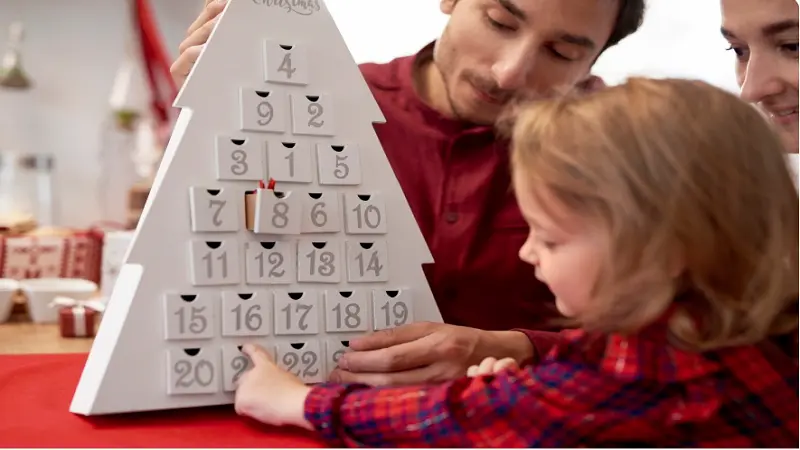
Forgotten appointments and conflicting plans can create unnecessary stress.
A shared calendar can solve much of this problem. Important activities such as school events, appointments, birthdays, trips, and household commitments can be recorded in one place.
Families can use a physical calendar on the wall or a digital option that everyone can access.
The important thing is consistency. If plans change, update the calendar instead of relying on memory.
Learn to Handle Arguments Calmly
Disagreements are normal in family life. What matters is how people handle them.
When emotions become intense, taking a short break can be more useful than trying to solve everything immediately.
Once everyone is calmer, focus on the actual problem instead of bringing up unrelated mistakes from the past.
Parents can model this behavior by showing children that disagreements do not have to become personal attacks.
A simple approach is to explain what happened, listen to the other person’s point of view, and then look for a practical solution.
Make Time for Individual Attention
Family time is important, but individual attention matters too.
A child may sometimes want to talk privately with a parent. Another family member may simply need a little quiet time together.
These moments do not need to involve expensive activities. A short walk, helping with homework, preparing food together, or talking before bed can be enough.
Individual attention helps family members feel noticed and valued.
Keep Important Things in Their Own Place
A surprisingly effective family trick is to give frequently used items a designated home.
Keys can stay in one place. School bags can have a specific area. Shoes can be kept near the entrance. Chargers can have a regular location.
This reduces the amount of time spent searching for things.
Children can also participate in organizing these spaces. When they help decide where things belong, they may be more likely to put them away afterward.
Protect Time for Fun

Family life should not revolve entirely around chores, responsibilities, and schedules.
Make room for activities that everyone genuinely enjoys.
You could have a movie night, play a game, visit a park, cook something together, or simply spend an afternoon talking.
The activity itself is less important than the shared experience.
Some of the strongest family memories come from ordinary moments rather than expensive trips or elaborate celebrations.
Encourage Appreciation
People often notice what is going wrong but forget to recognize what is going right.
A simple habit of appreciation can change the atmosphere at home.
Thank a family member for helping with a task. Compliment a child for making an effort. Recognize when someone handles a difficult situation responsibly.
Appreciation does not need to be dramatic. Genuine and specific words can have a much stronger effect than general praise.
Frequently Asked Questions
What does tricks whatutalkingboutfamily mean?
The phrase can be understood as referring to practical family tricks, tips, and ideas that can make everyday household life easier, more organized, and more enjoyable.
What is the best family trick for better communication?
Creating a small daily opportunity for everyone to talk can be very helpful. Regular conversations make it easier for family members to share concerns before they become bigger problems.
How can families become more organized?
Start with simple routines and shared responsibilities. A family calendar, designated storage areas, and predictable morning and evening routines can reduce everyday confusion.
How can parents encourage children to help at home?
Give children responsibilities that match their age and abilities. Keep expectations clear and recognize their effort rather than expecting everything to be perfect.
Does family time need to involve expensive activities?
No. Walking together, cooking, playing games, talking, or watching a movie at home can all provide meaningful family time.
Final Thoughts
The most useful family tricks are often the simplest ones. Better communication, realistic routines, shared responsibilities, organized spaces, and regular time together can gradually improve everyday family life.
There is no single formula that works for every household. Each family has different personalities, schedules, and needs. The key is to choose a few ideas that fit your situation and turn them into habits.
Small improvements may not seem important at first, but over time they can create a home that feels more organized, supportive, and connected. That is the real value behind tricks whatutalkingboutfamily: practical ideas that families can actually use in everyday life. See more